writing



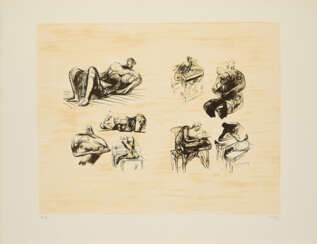

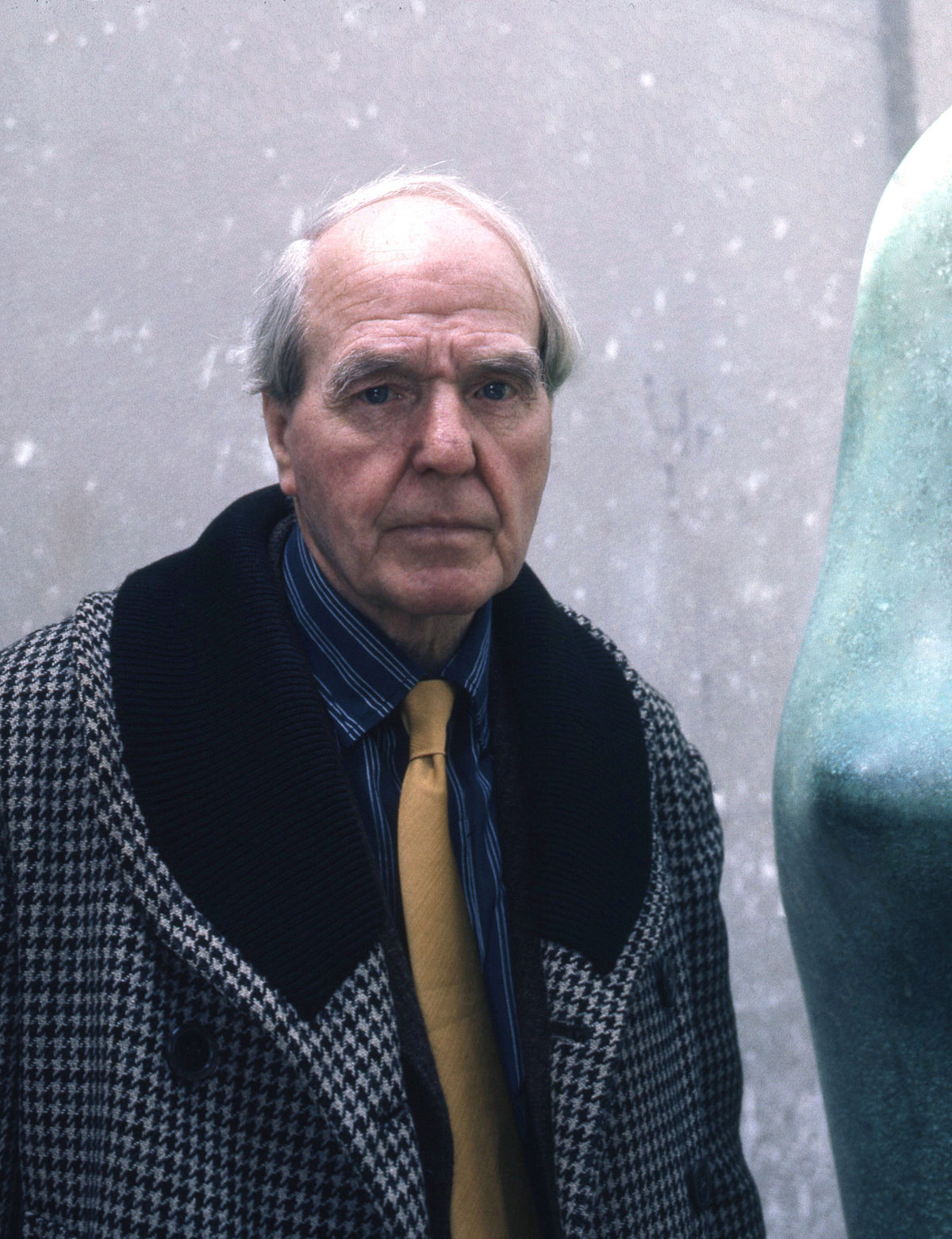
Henry Spencer Moore was an influential English sculptor and artist, renowned for his semi-abstract monumental bronze sculptures that have found homes around the world as public works of art. Born on July 30, 1898, in Castleford, Yorkshire, Moore showed early talent in art, but his journey towards becoming a sculptor was not straightforward. His experiences as a young teacher and a soldier in the First World War, where he was injured in a gas attack, significantly shaped his perspectives and artistic direction.
After the war, Moore pursued his passion for art, winning a scholarship to the Royal College of Art in London, where he began to experiment with modernist influences and direct carving techniques, moving away from the traditional Victorian style. His works, characterized by organic shapes and a blend of abstraction and figuration, were inspired by a wide range of sources, including primitive art, the human body, and the natural world.
Moore's sculptures are celebrated for their unique ability to blend form with space in the landscape, offering viewers a dynamic interaction with his works. His dedication to public art made his sculptures accessible to a wide audience, contributing to his status as one of the 20th century's most significant sculptors. Moore's legacy is preserved through the Henry Moore Foundation, which supports artists and promotes public appreciation of sculpture.
For collectors and experts in art and antiques, Moore's work remains a testament to the power of sculpture to evoke emotion and thought. His contributions to modern art and sculpture continue to inspire and influence artists around the world.
To stay informed about new exhibitions and opportunities to view Henry Spencer Moore's work, sign up for updates. This subscription will ensure you are alerted to new product sales and auction events related to Moore's influential body of work.

Henry Spencer Moore was an influential English sculptor and artist, renowned for his semi-abstract monumental bronze sculptures that have found homes around the world as public works of art. Born on July 30, 1898, in Castleford, Yorkshire, Moore showed early talent in art, but his journey towards becoming a sculptor was not straightforward. His experiences as a young teacher and a soldier in the First World War, where he was injured in a gas attack, significantly shaped his perspectives and artistic direction.
After the war, Moore pursued his passion for art, winning a scholarship to the Royal College of Art in London, where he began to experiment with modernist influences and direct carving techniques, moving away from the traditional Victorian style. His works, characterized by organic shapes and a blend of abstraction and figuration, were inspired by a wide range of sources, including primitive art, the human body, and the natural world.
Moore's sculptures are celebrated for their unique ability to blend form with space in the landscape, offering viewers a dynamic interaction with his works. His dedication to public art made his sculptures accessible to a wide audience, contributing to his status as one of the 20th century's most significant sculptors. Moore's legacy is preserved through the Henry Moore Foundation, which supports artists and promotes public appreciation of sculpture.
For collectors and experts in art and antiques, Moore's work remains a testament to the power of sculpture to evoke emotion and thought. His contributions to modern art and sculpture continue to inspire and influence artists around the world.
To stay informed about new exhibitions and opportunities to view Henry Spencer Moore's work, sign up for updates. This subscription will ensure you are alerted to new product sales and auction events related to Moore's influential body of work.

















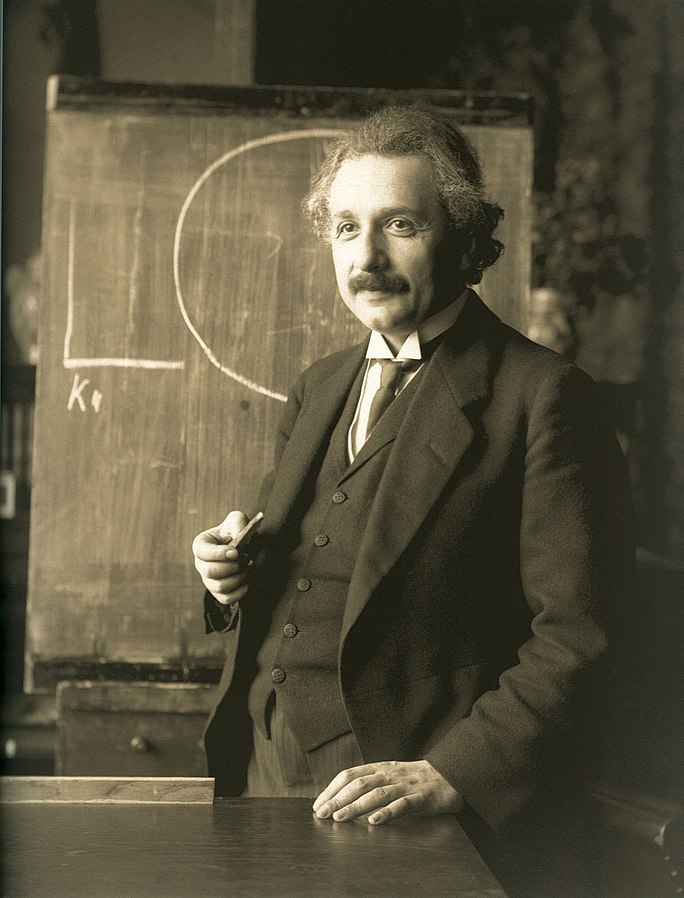
Albert Einstein was a German-born theoretical physicist, widely acknowledged to be one of the greatest and most influential physicists of all time. Einstein is best known for developing the theory of relativity, but he also made important contributions to the development of the theory of quantum mechanics. Relativity and quantum mechanics are together the two pillars of modern physics. His mass–energy equivalence formula E = mc2, which arises from relativity theory, has been dubbed "the world's most famous equation". His work is also known for its influence on the philosophy of science. He received the 1921 Nobel Prize in Physics "for his services to theoretical physics, and especially for his discovery of the law of the photoelectric effect", a pivotal step in the development of quantum theory. His intellectual achievements and originality resulted in "Einstein" becoming synonymous with "genius".